
Hearing Blog

Featured image for “Is Ear Bleeding Always a Medical Emergency?”

Is Ear Bleeding Always a Medical Emergency?

Finding blood on a pillow or a cotton swab can spark immediate panic. The human ear is a delicate instrument, so any sign of trauma or unexpected fluid naturally triggers alarm bells. Most people assume that a bleeding ear signals a catastrophic injury or a life-threatening crisis that requires a frantic trip to the nearest emergency room. However, the true story behind this symptom is often far more nuanced than a simple worst-case scenario. While...
Read More
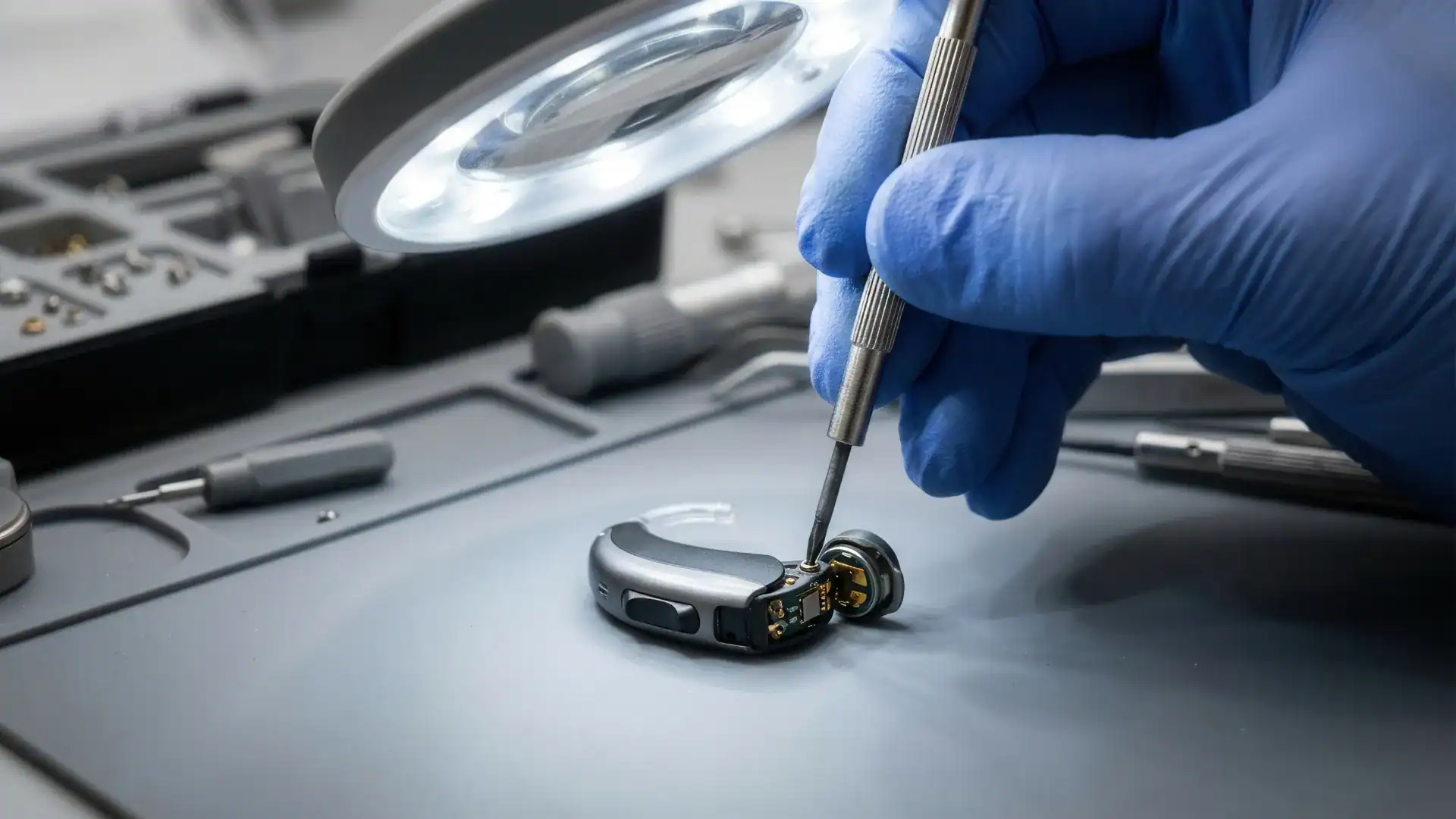
Featured image for “Signs It’s Time to Change Your Hearing Aid Batteries”

Signs It’s Time to Change Your Hearing Aid Batteries

Waiting until your hearing aid goes completely silent often leads to frustration during important conversations. Most users assume that a battery is either full or empty, but the reality is more nuanced than a simple on or off switch. Batteries often give subtle hints that power levels are dipping before the final shutdown occurs. Paying attention to these early warnings helps people stay connected to the world without sudden interruptions. Small shifts in sound quality...
Read More
Featured image for “How Hearing Evaluations Spot Hidden Hearing Issues”

How Hearing Evaluations Spot Hidden Hearing Issues

Hearing involves much more than just the volume of the world. Many people believe that if things seem loud enough, their ears must be working perfectly fine. However, sophisticated evaluations often reveal issues that standard daily interactions miss. These assessments look deep into how the brain and ears work together to process complex environments. When someone struggles to follow a conversation in a crowded room, it rarely stems from a simple volume problem. Instead, specialized...
Read More
Featured image for “5 Ways to Tell If Your Hearing Aids Need Tweaking”

5 Ways to Tell If Your Hearing Aids Need Tweaking

The path toward better hearing often involves gaining relief through hearing aids, but these devices require periodic maintenance to stay effective. Even the most sophisticated technology can drift out of alignment with the wearer’s current needs over time. Small changes in physical health or environment often mean that settings that worked last year no longer provide the necessary support. Identifying the signs of a mismatch early prevents frustration and ensures that conversations remain clear and...
Read More

Finding it hard to hear?

contact us