

Hearing Aid Specialist and Owner, Hearing Aid Specialists of the Central Coast, Atascadero, California
Latest posts by Peter Lucier, HAS (see all)
- Adjusting Hearing Aids for Clearer Conversations - October 2, 2026
- How to Protect Your Ears Around Live Music - September 29, 2026
- Signs of Conductive Hearing Loss - September 15, 2026
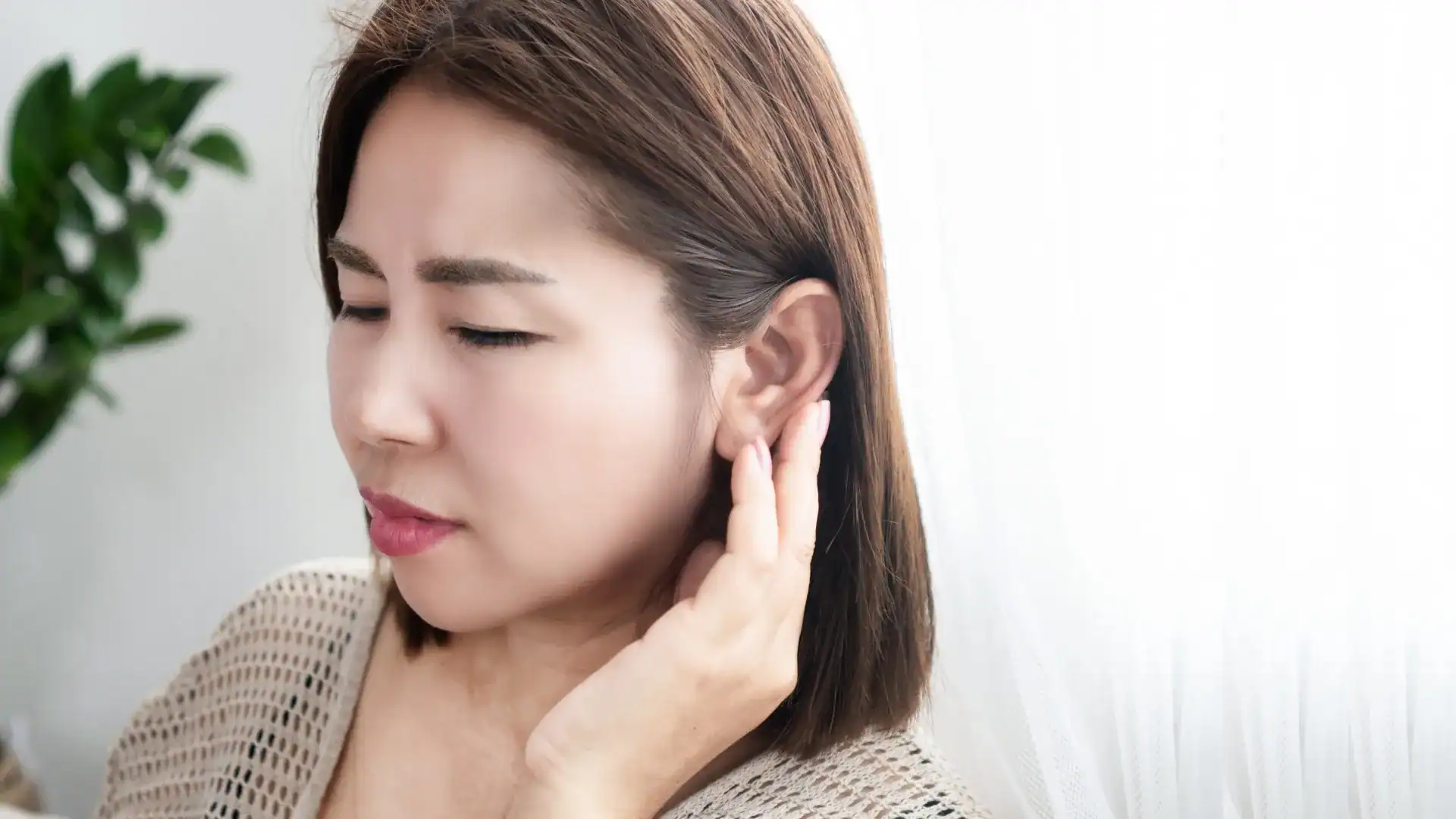
Ear fullness and pressure sensations are experiences that can be uncomfortable and distracting. Ear fullness often feels like clogging or muffled hearing. While occasional pressure is common, persistent or worsening sensations can indicate underlying issues that may need attention.
Multiple factors can cause these sensations, from pressure changes to infections or inflammation. Understanding why the ears feel full and recognizing patterns can help manage symptoms and prevent complications, allowing everyday activities to remain comfortable and hearing to stay clear.
Changes In Air Pressure
Rapid changes in altitude, such as during air travel, driving through mountains, or riding elevators in tall buildings, can lead to ear pressure. For most people, these sensations resolve naturally within minutes after the eustachian tube equalizes. The eustachian tube, a small passage connecting the middle ear to the back of the throat, works to equalize pressure. When it does not adjust quickly enough, the middle ear experiences a difference in pressure, creating a feeling of fullness.
Yawning, swallowing, or chewing can help open the eustachian tube and relieve the sensation. Sometimes, however, these measures may not provide immediate relief, especially if congestion or inflammation is present. Knowing when pressure changes occur helps one take steps like yawning or swallowing to relieve discomfort quickly.
Earwax Buildup
Earwax, while protective in moderation, can contribute to a sense of fullness when it accumulates. Impacted wax may also cause mild ringing or dizziness in some cases. Wax can block the ear canal, causing sounds to feel muffled and creating pressure-like sensations. This buildup can happen gradually, sometimes without noticeable pain, making the feeling of clogged ears more frustrating.
Professional ear cleaning or safe at-home removal methods are often the best solution. Over-the-counter drops or irrigation may help in mild cases, but persistent blockage or discomfort should be addressed by a hearing health professional.
Sinus Congestion and Allergies
Sinus infections or allergies can affect the eustachian tube’s function, causing the ears to feel full. Repeated congestion can increase the risk of temporary hearing changes and may require ongoing management. Inflammation and mucus buildup in the nasal passages can prevent proper airflow, leading to pressure in the middle ear. Seasonal allergies or colds often worsen these sensations, especially when the nasal passages are congested.
Managing underlying congestion through medications, nasal sprays, or allergen control can reduce ear pressure. Simple habits like staying hydrated and using humidifiers in dry environments also help maintain normal eustachian tube function, reducing the frequency and intensity of fullness sensations.
Ear Infections and Fluid Buildup
Middle ear infections often bring fullness and pressure sensations, sometimes accompanied by pain or mild hearing changes. Chronic fluid buildup behind the eardrum may not cause pain but can still affect hearing, especially in children. Fluid can accumulate behind the eardrum, creating pressure that does not easily resolve. While infections often improve with time or medical treatment, ignoring symptoms can lead to prolonged discomfort or hearing difficulties.
Early attention to ear infections allows timely treatment and reduces the risk of repeated pressure issues. Medical evaluation can also determine whether the infection is bacterial or viral, guiding appropriate care and preventing complications that might affect long-term hearing.
Temporomandibular Joint and Jaw Issues
Jaw problems, including temporomandibular joint disorders, can affect the ears because the joint sits near the ear canal. Muscle tension or joint inflammation can create sensations of pressure or fullness, often worsening during chewing or speaking. Clenching the jaw during stress or sleep can worsen ear pressure sensations related to TMJ dysfunction.
Addressing jaw or bite issues through dental care, physical therapy, or stress management can relieve ear pressure sensations linked to jaw function. Being aware of this connection ensures symptoms are not treated incorrectly and promotes overall comfort in the head and neck region.
When to Seek Professional Help
Persistent or severe fullness, pressure, or muffled hearing should prompt a consultation with a hearing health professional. Early evaluation helps identify underlying causes and prevent further complications, whether from infection, structural issues, or chronic congestion.
Regular checkups, timely treatment, and professional guidance ensure that ear health remains stable and hearing continues without interference. Keeping track of symptoms, triggers, and relief methods provides valuable information during appointments and helps maintain comfort in everyday activities. Reach out now!