

Hearing Aid Specialist and Owner, Hearing Aid Specialists of the Central Coast, Atascadero, California
Latest posts by Peter Lucier, HAS (see all)
- Signs of Conductive Hearing Loss - September 15, 2026
- Warranty Coverage for Hearing Aid Repair Costs - September 1, 2026
- What Makes a Hearing Aid Fit Feel Just Right - August 31, 2026
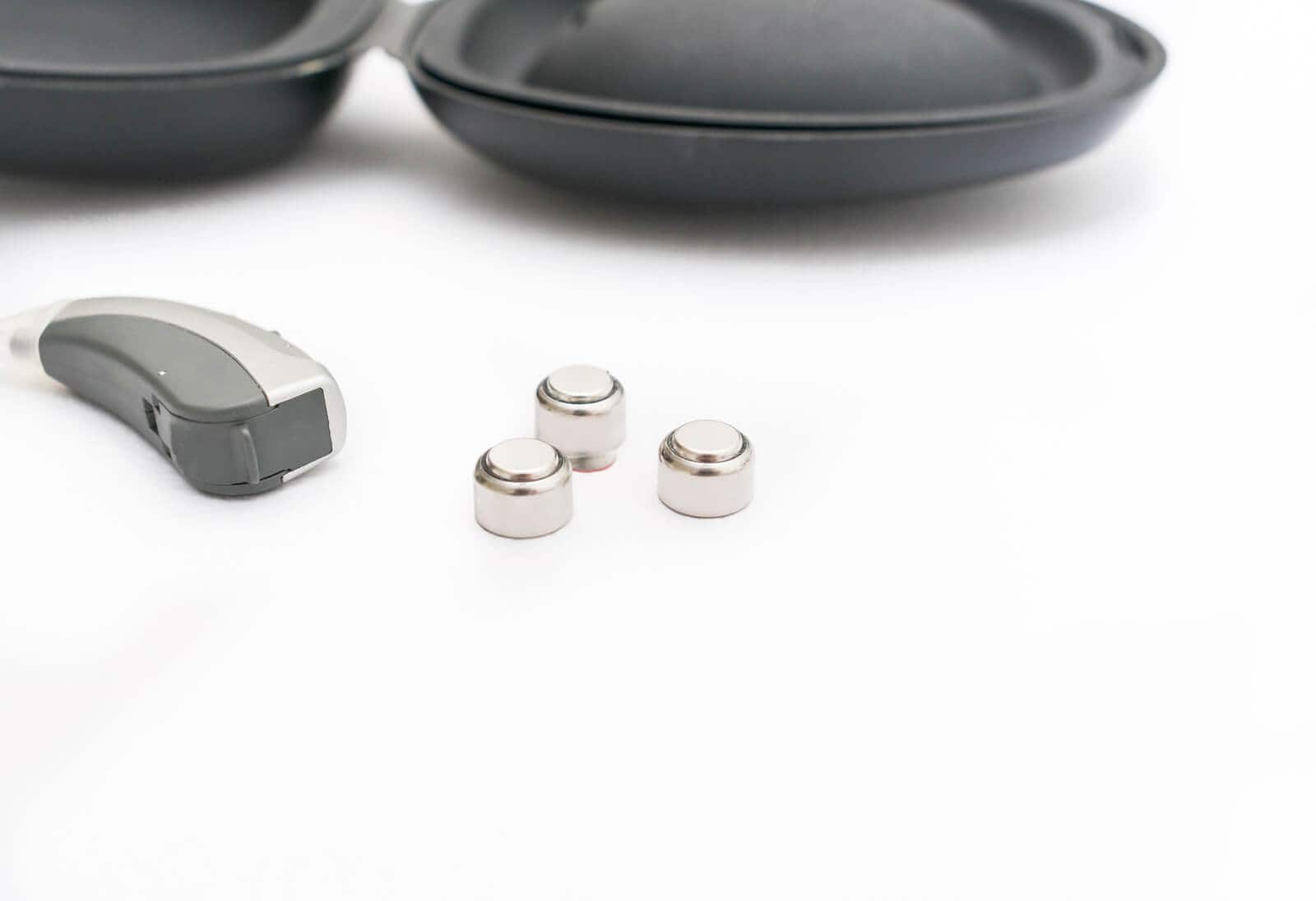
The hearing industry generates a significant amount of waste through disposable batteries. For decades, the standard zinc-air button cell was the only option for power. This meant that millions of tiny metal discs ended up in landfills every year. Today, technology offers greener alternatives that do not sacrifice performance for sustainability.
Eco-conscious consumers can now choose power sources that align with their environmental values. Making the switch to sustainable hearing care helps the planet while helping you hear. It is a small change that creates a cleaner future.
The Problem with Disposable Zinc Air
Traditional hearing aid batteries rely on a chemical reaction that starts when a sticker is removed. Once activated, they drain continuously and last only a few days to a week. This short lifespan forces a user to discard roughly one hundred batteries annually.
These small items are difficult to sort at recycling facilities and often contaminate soil. The packaging alone creates mountains of plastic and cardboard waste over a lifetime. Recognizing this impact drives the demand for better and cleaner power solutions.
The Rise of Lithium-Ion Rechargeables
Lithium-ion technology has revolutionized how we power our hearing devices. A single rechargeable cell lasts for the entire lifespan of the hearing aid. This eliminates the need for thousands of disposable batteries over several years.
Users simply place the aids in a charger at night and wake up to full power. This convenience also prevents the accidental swallowing risk for pets and children. It represents the most significant shift toward sustainability in the industry.
Solar Charging Capabilities
Innovation continues to push the boundaries of how we harvest energy. Some modern chargers now feature built-in solar panels for off-grid power. This allows users to charge their hearing aids using sunlight while traveling or camping.
It reduces the reliance on the electrical grid and utilizes renewable energy. While still a niche feature, it highlights the direction toward total energy independence. Harnessing the sun to power your hearing is a truly green solution.
Recycling Programs for Old Cells
For those who still use disposable batteries, proper disposal is important. Many clinics now offer drop-off points specifically for used hearing aid batteries. We collect these cells and send them to specialized recyclers who reclaim the metals.
This prevents harmful chemicals from leaching into the groundwater at local landfills. Participating in these programs ensures that your medical waste is handled responsibly. It takes just a moment to save your old batteries for your next visit.
Mercury-Free Options Standard
In the past, button batteries contained mercury to prevent internal gas buildup. This heavy metal poses severe risks to the environment and wildlife. Fortunately, regulations and industry standards have shifted to mercury-free formulations.
Almost all premium batteries sold today are compliant with these safer standards. Checking the packaging ensures you are buying the safest option available. It is a simple way to ensure your health needs do not harm the ecosystem.
Reducing Packaging Waste
Manufacturers are finally addressing the excessive plastic used in battery packaging. New designs feature cardboard dials and minimal plastic backing to reduce waste. Buying in bulk also reduces the amount of packaging material per battery used.
We encourage patients to choose brands that prioritize sustainable packaging materials. Contact our office to ask about our eco-friendly battery options. We can help you power your hearing responsibly.